The Greek Harvest | From Vineyard to Table at Myrtos London
In Greece, September signals a change. The heat of summer begins to soften, the landscape takes on a different rhythm and, across the country’s vineyards, one of the most important moments in the agricultural calendar begins: the grape harvest.
Known in Greek as trygos, the harvest is about much more than gathering grapes from the vine. For generations, it has brought families, friends and neighbours together, connecting the food and wine on the table with the land from which they came.
As the weeks pass and autumn settles in, attention begins to turn towards another enduring symbol of Greece: the olive tree.
Together, grapes and olives tell a much larger story about Greek food and culture – one shaped by the seasons, a respect for nature and the pleasure of sharing what the land provides.
September and the Greek Grape Harvest
September has traditionally been the month of the wine grape harvest in Greece, although the exact timing varies according to region, grape variety and the growing conditions that year.
Historically, trygos was a collective effort. Family members, friends and neighbours would come together to work in the vineyards, beginning early in the day to gather ripe grapes before taking them to be pressed.
The work was demanding, but the harvest was also a social occasion. At midday, those working in the vineyard would gather to eat together, sharing food and discussing the quality of the year’s crop. Once the grapes reached the wine press, there was another opportunity for food, drink and celebration.
It is this combination of work, food and community that gives trygos such a distinctive place in Greek culture. The harvest was not separate from everyday life; it was woven into it.
Wine would eventually return to the table, ready to accompany the gatherings, celebrations and quieter everyday meals of the year ahead.
From the Vineyard to the Olive Grove
As the grape harvest draws to a close, another begins to approach. Olive harvesting in Greece generally starts in October, depending on the variety and region, and continues through the autumn and into winter. Green olives are typically among the first to be gathered, with other varieties left on the tree for longer as they mature.
Olive trees have been cultivated in Greece since antiquity, and over centuries the tree has come to represent far more than a source of food. It appears throughout Greek history and mythology as a symbol of peace, wisdom and prosperity, while its fruit and oil have remained constants in Greek kitchens.
The olive harvest, like the grape harvest before it, has traditionally been a communal activity. It requires time and patience, and once the work is complete, food and celebration naturally follow.
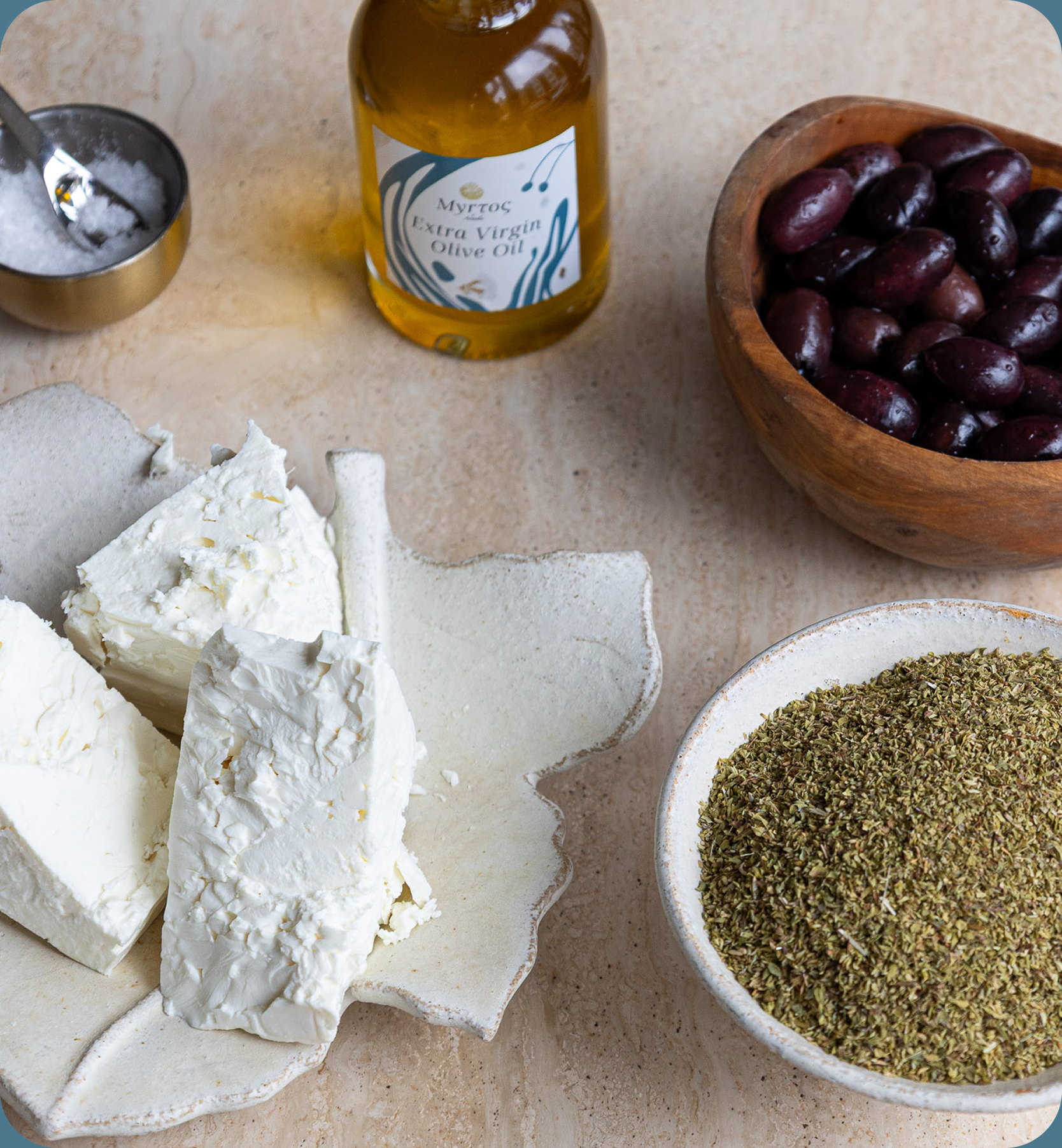
From fruit on the branch to freshly pressed oil, it is another reminder of the close relationship between Greek cooking and the landscape. Olive oil remains fundamental to that relationship, often used simply alongside lemon, herbs and seasoning to let the character of an ingredient speak for itself.
Eating with the Seasons
Harvest time is a particularly visible expression of something that has always been fundamental to Greek food: seasonality.
The landscape changes throughout the year, and the ingredients available change with it. Rather than seeing those limitations as restrictive, traditional cooking developed around them. What grew nearby and what was ready to be gathered naturally found its way onto the table.
This creates a cuisine closely connected to place. Coastal regions have their own traditions; the mountains and mainland have others. Across Greece’s islands, local landscapes, climate and agriculture have each helped shape distinctive ways of cooking.
Seasonality also encourages anticipation. Ingredients appear, are enjoyed at their best, and then make way for what comes next. September sits at a particularly interesting point in that cycle: summer has not entirely disappeared, but autumn is beginning to make itself known. The grape harvest captures that moment perfectly.
What begins in the vineyard or olive grove eventually finds its way to the table. Grapes become wine, olives become oil, and the work of one season becomes part of the meals and gatherings that follow – a relationship between landscape and season that remains central to Greek food culture and continues at Myrtos.
The Greek Landscape at the Myrtos Table
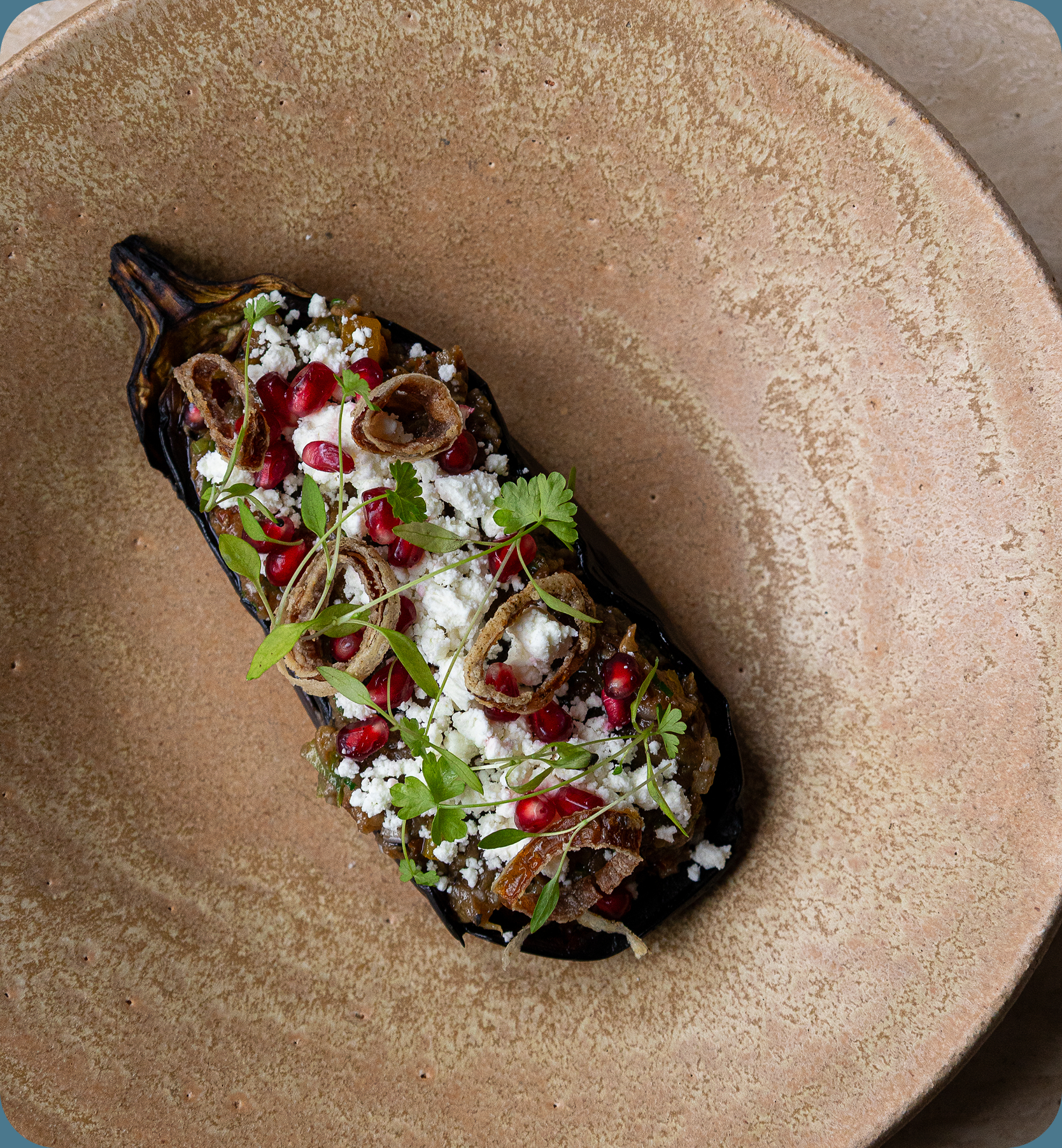
At Myrtos, the relationship between landscape and table can be found in both the food and wine. Seasonal produce and natural ingredients sit at the heart of the menu, while the wine list looks to vineyards across Greece and the distinctive varieties that grow there.
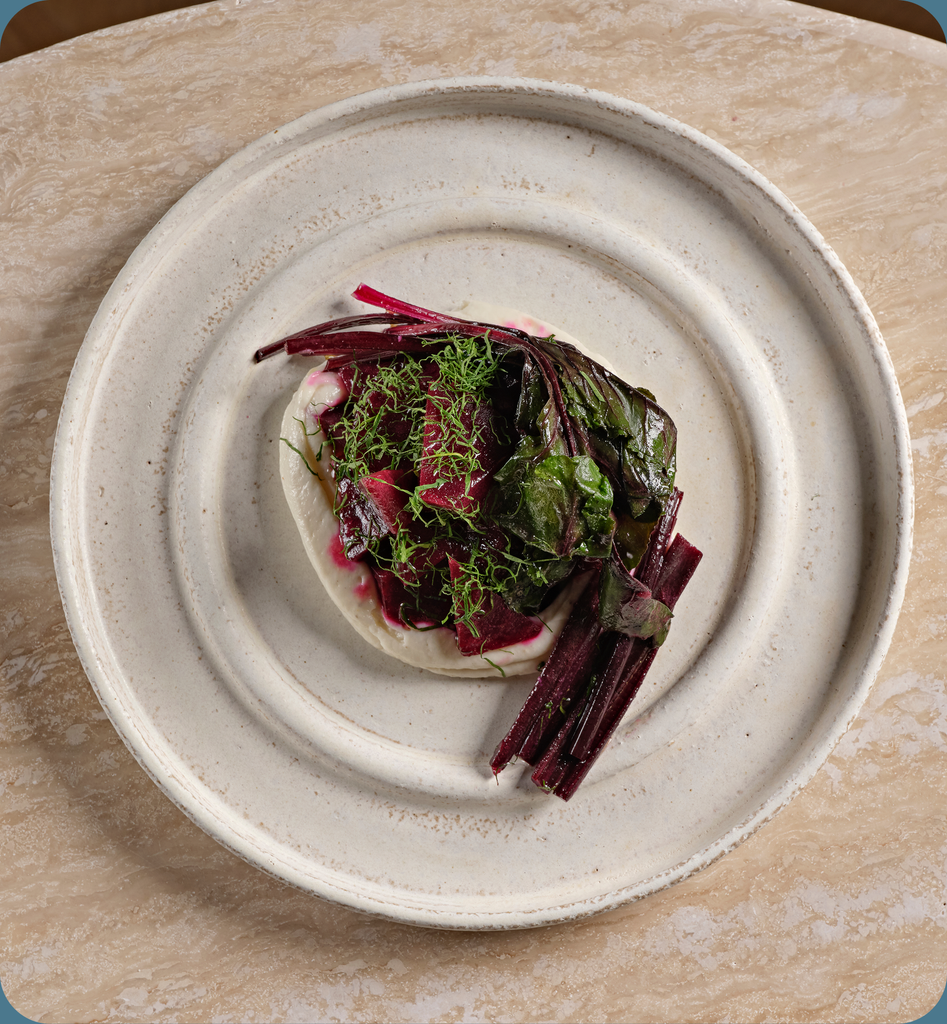
Beetroot is served with its leaves, crushed walnuts and goat’s cheese; wild greens are folded into hortopita with phyllo and feta; while dolmadakia are paired with avgolemono and wild fennel. Alongside them, the wine list travels through Greece, from Assyrtiko grown on Santorini and Xinomavro from Naoussa to Moschofilero from the Peloponnese and wines from Crete and Kefalonia.
Each has its own connection to place. Greece’s varied landscapes and climates shape what is grown, while the Myrtos wine list works with producers committed to sustainable viticulture and careful winemaking, allowing the character of the vineyard and its origins to come through.
Together, food and wine tell a story shaped by the seasons and the Greek landscape – one that begins in the vineyard and continues around the table.
BOOK YOUR TABLE